
Why Repetition Feels Good
I was down at Whitlingham Country Park at the weekend, when my daughter picked up a single reed and became obsessed with it.
20 solid minutes using that reed to try and tickle dogs before it was launched at a duck in the lake.
Its useful 20 minute utility aside, the whole episode made me think how rare it must be that someone looks at an individual reed and thinks ‘what a lovely reed’.
Their strength comes in numbers. The sheer repetition of them across the landscape making them noteworthy/remarkable/characteristic of the place and time - ultimately creating a sense of calmness, or things feeling intuitively “right”.
As is often then the case, my mind drifted to a challenge currently being faced - specifically around a new border design I’m working up.
It’s easy in the summer to get carried away with all the nuts colours and shapes of perennials giving it full beans. The border’s fairly tight, just under 4m wide by 1m deep. Very sandy soil, south-west aspect, up against a brick wall reflecting a lot of heat back into the bed.
Immediately I started thinking eryngiums, achillea, echinacea. Contrasting and complimentary colours, textures, forms. A kaleidoscope, but chaotic. Not everyone’s cup of tea but sort of instinctively where I would reach to.
Yet come winter, obviously a composition like that is going to look very different. Certainly devoid of its original intent.
Anchoring a planting scheme with an evergreen structure isn’t exactly brain surgery and the design reasons for repeated planting within this framework are beyond well-established. Unity across the scheme. Cohesion, rhythm, balance.
Thinking back to the reeds… that repetition is what creates the sense of order. Even in the wildest of schemes or settings, the mind naturally seeks order to make sense of things and create a sense of belonging.
As much as anything, it’s about reducing cognitive load, giving the brain less work to do. Repetition makes environments easier to understand and simpler to compute.
You could apply the same thinking to loads of walks of life. Not many architects are designing building fronts with 14 different window sizes, for obvious reasons. No music introduces new riffs or melodies every bar. The best tunes rely on repetition, introducing variants on a theme.
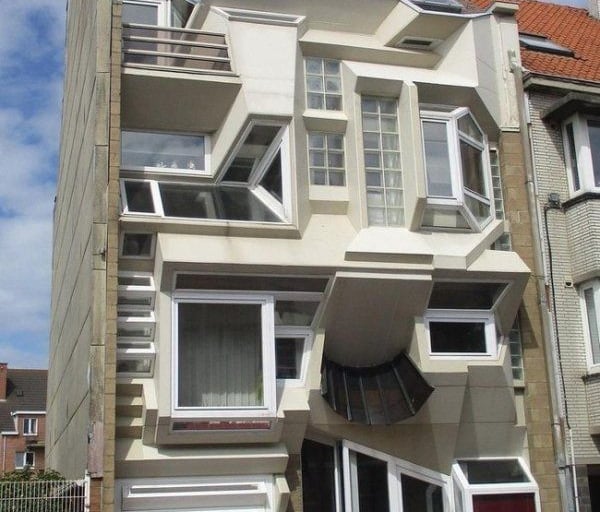

Please pass paracetemol
Again, none of this is particularly revolutionary stuff.
The repetition here doesn’t reduce interest or make the composition less compelling. One of the biggest takeaways I’ve found is that large numbers of relatively few species feels stronger, more coherent, more confident, than smaller numbers of many species.
This creates enough structure, order to allow fleeting moments of highlight to stand out.
The trick isn’t repetition at the expense of variety - it’s about achieving a lucid balance of the two.
So, back to the border - what I really need are repeated structural moments, before getting carried away with the ‘fun’ part, losing the plot in the garden centre and buying one of everything.
If these repeats moments can bring in evergreen staples used elsewhere in the garden, even better (current frontrunner is potentially bookending the border with Choisya, which is used generously across the space).
And to go back to the main point for this ramble… repetition isn’t valuable just because it repeats plants (though of course there is a monetary benefit in shopping your own garden).
It’s valuable because it helps the eye relax and lessens the number of decisions your brain has to make as it moves through a space.

... and relax
Why Repetition Feels Good
I was down at Whitlingham Country Park at the weekend, when my daughter picked up a single reed and became obsessed with it. 20 solid minutes using that reed to try and tickle dogs before it was launched at a duck in the lake.
Its useful 20 minute utility aside, the whole episode made me think how rare it must be that someone looks at an individual reed and thinks ‘what a lovely reed’.
Their strength comes in numbers. The sheer repetition of them across the landscape making them noteworthy/remarkable/characteristic of the place and time - ultimately creating a sense of calmness, or things feeling intuitively “right”.
... and relax
As is often then the case, my mind drifted to a challenge currently being faced - specifically around a new border design I’m working up.
It’s easy in the summer to get carried away with all the nuts colours and shapes of perennials giving it full beans. The border’s fairly tight, just under 4m wide by 1m deep. Very sandy soil, south-west aspect, up against a brick wall reflecting a lot of heat back into the bed.
Immediately I started thinking eryngiums, achillea, echinacea. Contrasting and complimentary colours, textures, forms. A kaleidoscope, but chaotic. Not everyone’s cup of tea but sort of instinctively where I would reach to.
Yet come winter, obviously a composition like that is going to look very different. Certainly devoid of its original intent.
Anchoring a planting scheme with an evergreen structure isn’t exactly brain surgery and the design reasons for repeated planting within this framework are beyond well-established. Unity across the scheme. Cohesion, rhythm, balance.
Thinking back to the reeds… that repetition is what creates the sense of order. Even in the wildest of schemes or settings, the mind naturally seeks order to make sense of things and create a sense of belonging.
As much as anything, it’s about reducing cognitive load, giving the brain less work to do. Repetition makes environments easier to understand and simpler to compute.
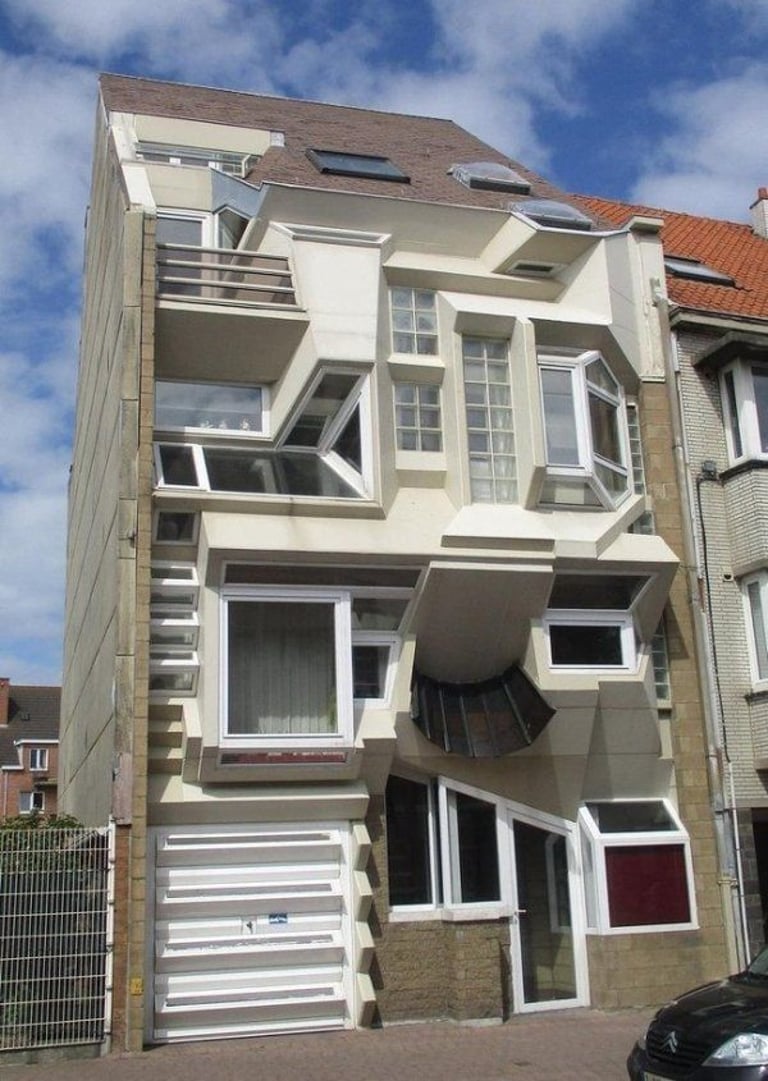
You could apply the same thinking to loads of walks of life. Not many architects are designing building fronts with 14 different window sizes, for obvious reasons. No music introduces new riffs or melodies every bar. The best tunes rely on repetition, introducing variants on a theme.


Please can you pass the paracetemol?
Again, none of this is particularly revolutionary stuff.
The repetition here doesn’t reduce interest or make the composition less compelling. One of the biggest takeaways I’ve found is that large numbers of relatively few species feels stronger, more coherent, more confident, than smaller numbers of many species.
This creates enough structure, order to allow fleeting moments of highlight to stand out.
The trick isn’t repetition at the expense of variety - it’s about achieving a lucid balance of the two.
So, back to the border - what I really need are repeated structural moments, before getting carried away with the ‘fun’ part, losing the plot in the garden centre and buying one of everything.
If these repeats moments can bring in evergreen staples used elsewhere in the garden, even better (current frontrunner is potentially bookending the border with Choisya, which is used generously across the space).
And to go back to the main point for this ramble… repetition isn’t valuable just because it repeats plants (though of course there is a monetary benefit in shopping your own garden). It’s valuable because it helps the eye relax and lessens the number of decisions your brain has to make as it moves through a space.