Next Door Own The Best Part Of My Garden
I’ve been in my garden for over a year now. Not in some sort of insane, continuous camping sense, but it’s been a year since I moved in and I’ve done a fair bit to the space.
Best practice dictates that you should spend a year or so analysing your garden (what’s the sun doing, any frost pockets knocking about, what’s the drainage saying? etc) but ultimately I wanted to clear space in an area that felt claustrophobic, overgrown and at odds with itself.
With the tactical removal of a few shrubs from thoroughfares, opening up of narrow, dangerous (for toddlers at least) staircases, hacking away some potential ankle-breaker trip hazards - the space feels clearer, open, simplified. Certainly less of an arse-ache from an ongoing maintenance perspective.
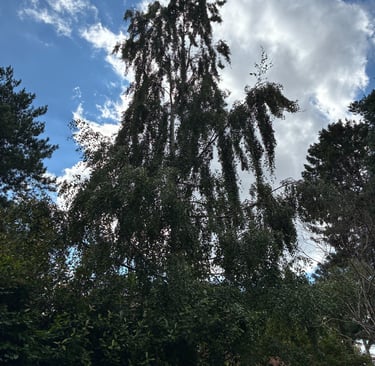
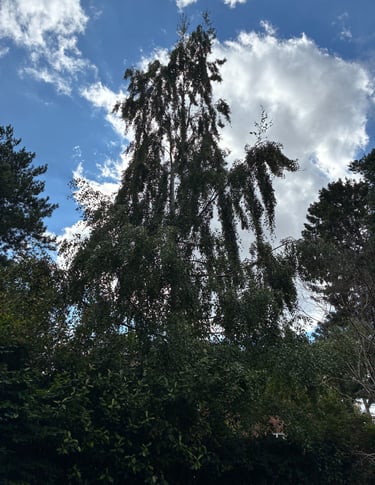
It’s now only once the sight-lines to these specimens have been decluttered, that I truly appreciate what they add to my own space.
That’s thousands of pounds worth of tree that I’ve basically just robbed. What a buzz.
Of course, there’s a term for this…. borrowed landscape. I won’t bother getting all Wikipedia about it, as that’s what Wikipedia’s for. Essentially it’s recognising that a garden doesn’t end at the fence. A garden extends into, and is part of, the landscape that surrounds it.
Designing around distant features in a garden not only connects the space to a wider setting, but can make a garden feel bigger, more expansive. It can also save you a shit load of money as well.
Obviously, this cuts both ways. For every majestic silver birch there’s an absolutely honking trampoline or garish extension. You could just as easily allow a hedge to gain an extra foot or two to screen next-door’s telescope looking in, as reduce it the same amount to allow for an incredible sea view.
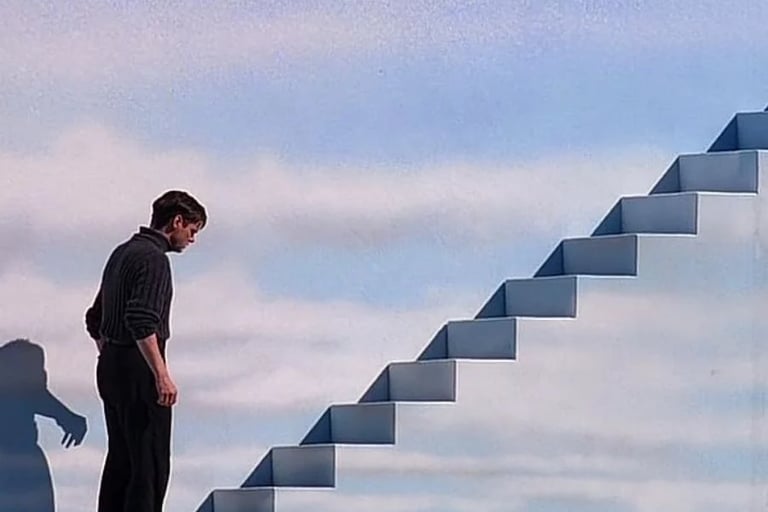
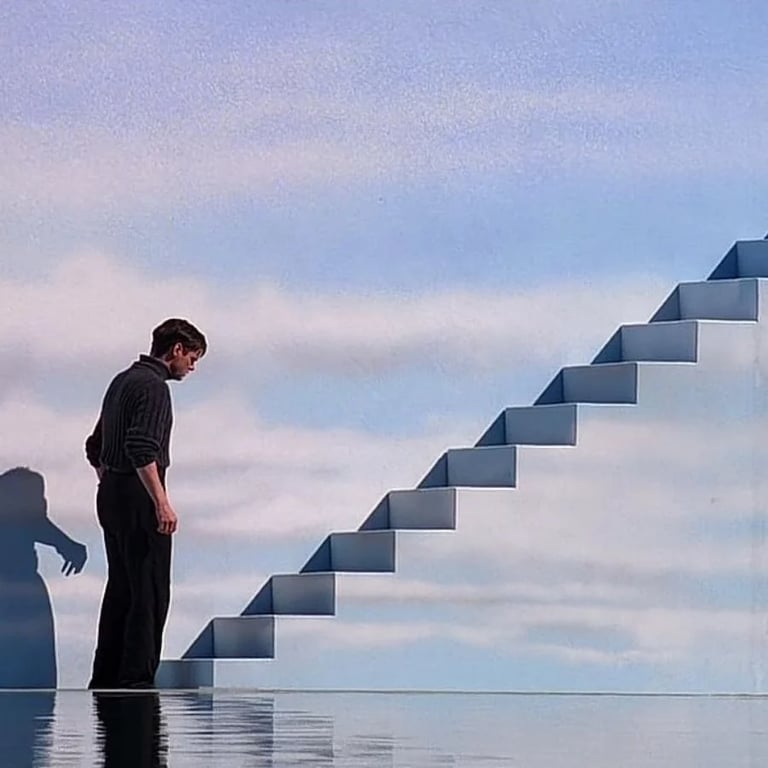
The reality, either way round, is that an assumption that everything stops at the perimeter fence is wildly untrue. Your garden isn’t the Truman Show.
There must be more than this.
Half the reason the Truman Show feels so unsettling is its use of a confined, self-contained set. Our brains instinctively prefer places that feel connected to a larger world. And in most gardens, the quickest way to make them feel fake, limited or insular is to pretend the outside world (and next-door’s trampoline) simply doesn’t exist.
From a design perspective, the notion of borrowed landscapes is a reminder that gardens are a series of interconnected, edited views. As a designer, or indeed someone reshaping their garden, where do you want people looking? Where don’t you want them looking? How can a space be designed to maximise the ease, and impact, of desired views.
So before splurging £5,000 on a brand new, shiny, focal point, it’s worth reviewing what’s on offer in the borrowed landscape aisle. Whether that’s a silver birch or two, the skyline, some compelling architecture, or even just the evening light.
Why add anything when you can just nick something better from next door?
Ah wow, thanks guys
Next Door Owns The Best Part Of My Garden
I’ve been in my garden for over a year now. Not in some sort of insane, continuous camping sense, but it’s been a year since I moved in and I’ve done a fair bit to the space.
Best practice dictates that you should spend a year or so analysing your garden (what’s the sun doing, any frost pockets knocking about, what’s the drainage saying? etc) but ultimately I wanted to clear space in an area that felt claustrophobic, overgrown and at odds with itself.
With the tactical removal of a few shrubs from thoroughfares, opening up of narrow, dangerous (for toddlers at least) staircases, hacking away some potential ankle-breaker trip hazards - the space feels clearer, open, simplified. Certainly less of an arse-ache from an ongoing maintenance perspective.
And then what actually dawned on me is that perhaps the strongest features of my garden aren’t actually in my garden at all.
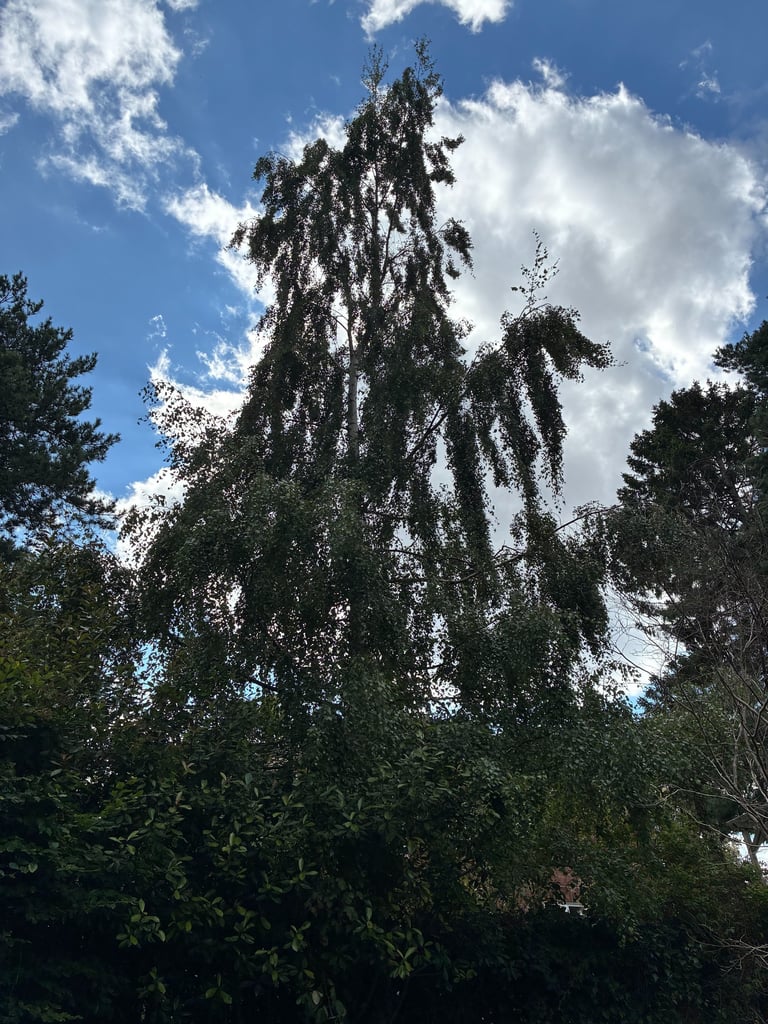
With focus taken away from what’s underfoot, you can really begin to appreciate two incredible, mature silver birches hanging gracefully over from next door.
Oh wow, thanks guys
As is often then the case, my mind drifted to a challenge currently being faced - specifically around a new border design I’m working up.
It’s now only once the sight-lines to these specimens have been decluttered, that I truly appreciate what they add to my own space.
That’s thousands of pounds worth of tree that I’ve basically just robbed. What a buzz.
Of course, there’s a term for this…. borrowed landscape. I won’t bother getting all Wikipedia about it, as that’s what Wikipedia’s for. Essentially it’s recognising that a garden doesn’t end at the fence. A garden extends into, and is part of, the landscape that surrounds it.
Designing around distant features in a garden not only connects the space to a wider setting, but can make a garden feel bigger, more expansive. It can also save you a shit load of money as well.
Obviously, this cuts both ways. For every majestic silver birch there’s an absolutely honking trampoline or garish extension. You could just as easily allow a hedge to gain an extra foot or two to screen next-door’s telescope looking in, as reduce it the same amount to allow for an incredible sea view.
The reality, either way round, is that an assumption that everything stops at the perimeter fence is wildly untrue. Your garden isn’t the Truman Show.